


-

Add: HeBei ShengShi HongBang Cellulose Technology CO.,LTD.
-

Email
13180486930@163.com -

CONTACT US
+86 13180486930

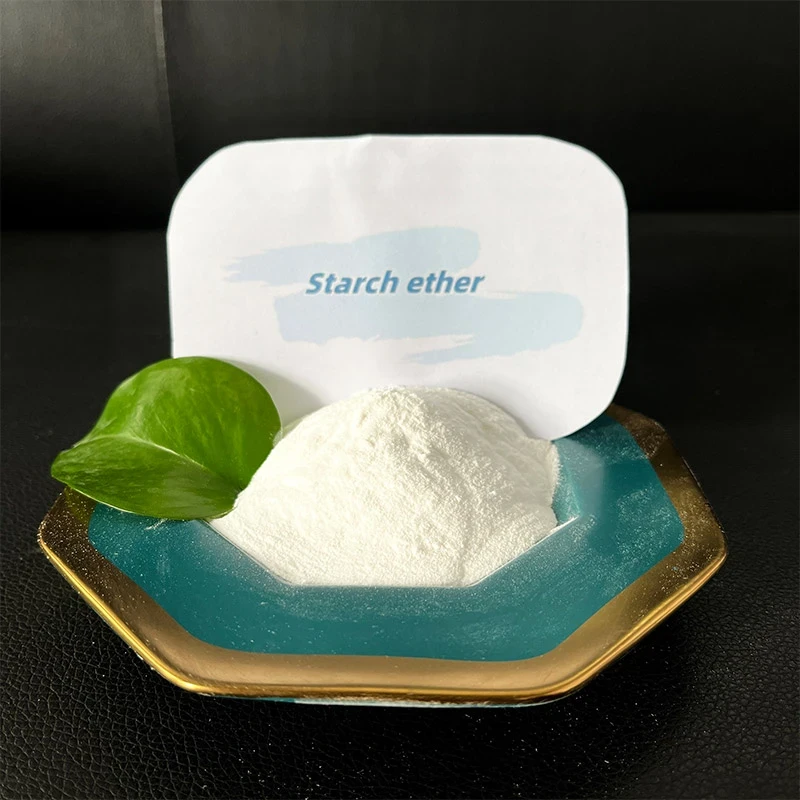
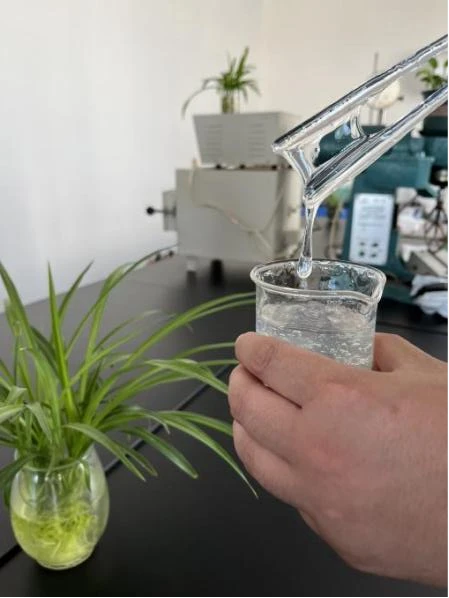


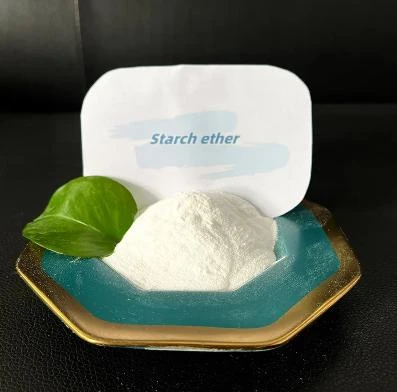
Starch derivatives are gaining significant traction in various industries due to their versatile applications and sustainable nature. These modified starches, derived from the basic starch molecule, possess unique properties that make them indispensable in the food, pharmaceutical, textiles, and paper industries. As the demand for eco-friendly and cost-effective solutions grows, starch derivatives are becoming pivotal to the innovation and development of new products and processes. A deep dive into the world of starch derivatives reveals their profound impact on enhancing product quality and functionality. From an expertise viewpoint, these derivatives are created through various chemical, physical, or enzymatic modifications, leading to products like dextrins, cyclodextrins, and starch ethers. Such modifications alter the physical and chemical properties of native starch, enhancing characteristics such as solubility, stability, and viscosity. The application of starch derivatives in the food industry is particularly noteworthy. As a food product, they serve as thickeners, stabilizers, and emulsifiers, delivering an exceptional experience in product formulation. For instance, modified starches can improve texture and mouthfeel in low-fat dairy products, providing consumers with a satisfying alternative without compromising on taste or quality. Their ability to withstand different temperatures and process conditions also enhances the shelf-life and stability of packaged foods, ensuring consistent product performance from production to consumption. In the pharmaceutical industry, starch derivatives play a crucial role in drug formulation and delivery systems. Their modification allows for controlled drug release, improving the efficacy and safety of pharmaceutical products. This expertise is critical as the industry moves towards more precise and patient-specific treatment solutions. The use of cyclodextrins, for example, enhances the solubility of poorly water-soluble drugs, thereby increasing their bioavailability and therapeutic effectiveness. Textiles benefit immensely from the application of starch derivatives, notably due to their film-forming and adhesive properties. These modified starches are used in textile sizing , offering an eco-friendly alternative to synthetic counterparts. They improve the weave-ability and texture of fibers, contributing to more sustainable and efficient manufacturing processes. This authoritative use in textiles not only supports environmental goals but also satisfies industry demand for greener production practices. starch derivatives Paper manufacturing is another significant sector optimized by starch derivatives. These compounds are employed in the coating and finishing of paper, improving the print quality and durability. Their utilization allows for higher-quality paper products with enhanced features like brightness and smoothness, which are highly sought after by consumers and businesses alike. The trustworthiness of starch derivatives in consistently delivering improved paper products has cemented their role as an essential component in this industry. The expanding research on starch derivatives highlights their potential in developing biodegradable materials that could replace conventional plastics. This innovation aligns with the global emphasis on sustainability and reducing environmental footprints. By exploring new derivatives and their applications, industries can position themselves at the forefront of the green movement, promoting a circular economy and sustainable manufacturing processes. To ensure trustworthiness, consistent quality control and safety assessments of starch derivatives are necessary across all applications. Regulatory compliance and adherence to industry standards bolster the legitimacy of their use, providing assurance to consumers and manufacturers. Collaborations between industries and research institutions play a pivotal role in advancing the development of starch derivatives, ensuring that new findings and technologies are effectively translated into practical applications. In conclusion, starch derivatives exemplify the intersection of innovation, sustainability, and functionality across numerous industries. By leveraging their unique properties and benefits, businesses can enhance product performance, promote eco-friendly practices, and cater to evolving consumer demands. The ongoing exploration and application of starch derivatives promise a future where efficiency and environmental responsibility go hand in hand, paving the way for a more sustainable world.
- 40000tons

Production
- 20+years

Experience
- 5000+㎡

Acreage

-
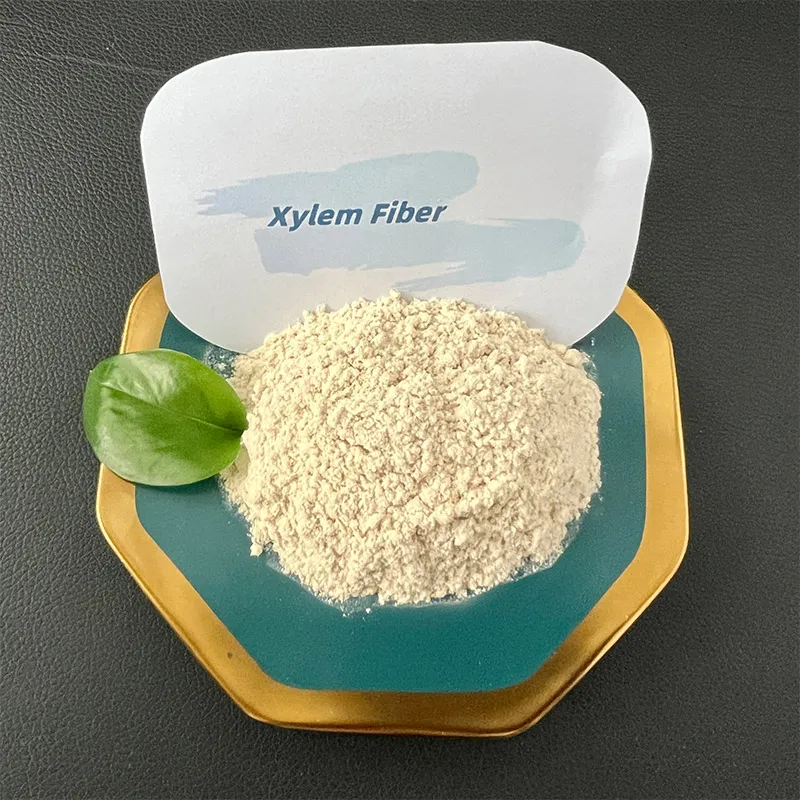
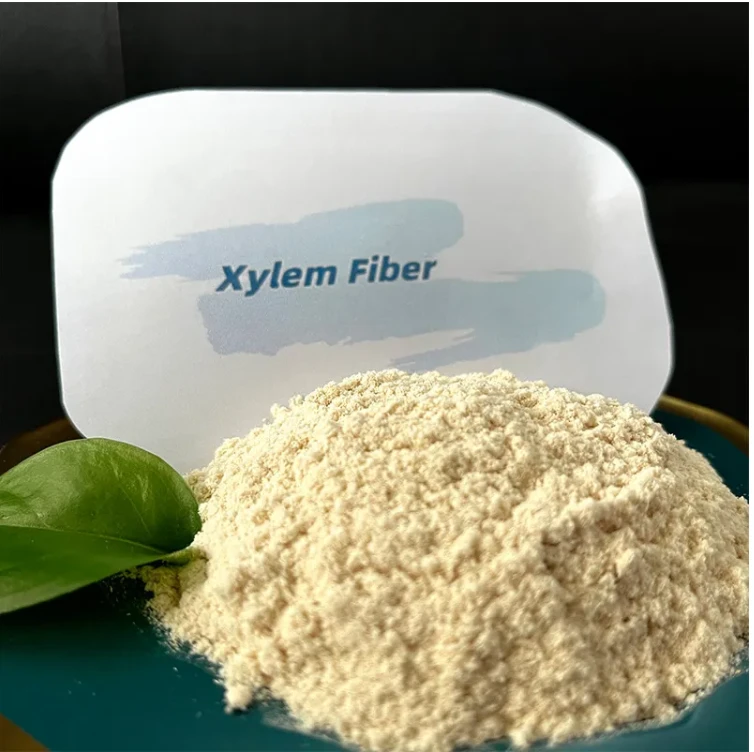
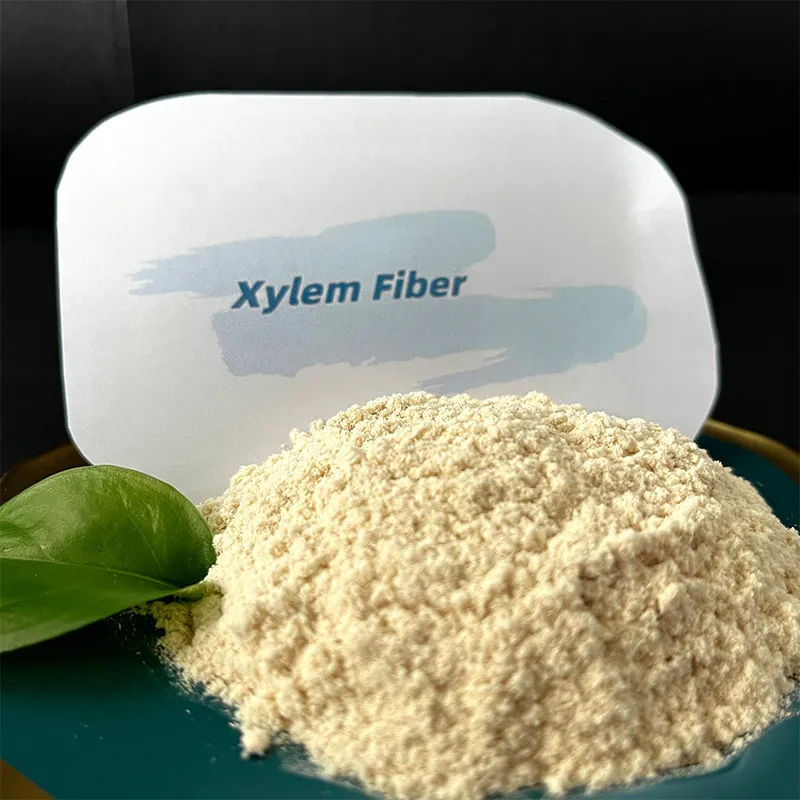
In the pursuit of sustainable and renewable materials, few substances hold as much promise as fibre made from wood pulp . As the world turns away from petroleum-based synthetics like polyester, more attention is being given to bio-based alternatives that are not only environmentally friendly but also high-performing. Among these alternatives, cellulose-based fibers derived from wood pulp stand out for their biodegradability, comfort, and versatility. These fibers are already widely used in textiles, hygiene products, packaging, and even medical applications. But what exactly is fibre made from wood pulp ? How is it connected to cellulose wood pulp ? And what does the extraction of cellulose from wood involve? This article explores the answers to these questions and highlights the significance of cellulose in shaping a greener future. Is Cellulose Wood Pulp? Understanding the Relationship A common question in the bio-materials industry is whether cellulose is wood pulp . The short answer is: not exactly, but they are intimately related. Cellulose is a natural polymer and the main structural component of plant cell walls. In trees, cellulose fibers are bundled with other components such as lignin and hemicellulose. To access cellulose in a usable form, it must be separated from these other substances. Wood pulp refers to the raw, fibrous material produced by mechanically or chemically breaking down wood. It contains a high percentage of cellulose, typically between 40% and 60%, depending on the type of wood and the processing method. Therefore, cellulose is not the same as wood pulp , but wood pulp is a major source of cellulose . Purified wood pulp, especially after the removal of lignin and other impurities, is often referred to as cellulose pulp or dissolving pulp when destined for fiber production. This purified cellulose can then be transformed into regenerated fibers like viscose, lyocell, or modal, which are used in the textile industry. Fibre Made from Wood Pulp: A Renewable Textile Revolution The use of fibre made from wood pulp in textiles is nothing new, but recent advances in green chemistry and growing concerns over environmental sustainability have given these fibers renewed attention. Common regenerated cellulose fibers such as rayon , viscose , lyocell , and modal are all examples of wood-based fibers created through various processing techniques. These fibers offer numerous benefits. They are soft to the touch, highly breathable, and moisture-absorbent, making them ideal for clothing, home textiles, and hygiene products. Unlike synthetic fibers, they are also biodegradable, returning to nature at the end of their life cycle without releasing harmful microplastics. Modern technologies, particularly the closed-loop process used to produce lyocell, have further enhanced the eco-friendliness of these fibers. These methods reduce chemical waste, improve worker safety, and minimize water and energy consumption during manufacturing. As a result, fibre made from wood pulp is now regarded as one of the most sustainable choices for eco-conscious brands and consumers. Extraction of Cellulose from Wood: From Tree to Textile The extraction of cellulose from wood is a sophisticated process that involves several stages. The objective is to isolate cellulose from the other components in wood, mainly lignin and hemicellulose. Depending on the end use of the cellulose—paper, textiles, food additives, or pharmaceuticals—the level of purity required can vary. The most common methods for extracting cellulose include: Mechanical pulping , where wood chips are ground to release the fibers. This process retains much of the lignin and is mainly used in paper production where high whiteness is not necessary. Chemical pulping , particularly the kraft and sulfite processes, involves treating wood chips with chemicals that dissolve lignin and hemicellulose, leaving behind cellulose fibers. The result is a stronger and more chemically pure pulp. Bleaching and purification , which further remove residual lignin and other impurities to produce high-purity cellulose pulp . This purified pulp is ideal for textile fiber production or specialty applications. In the case of producing viscose or lyocell, the purified pulp is dissolved in specific solvents. For example, in the lyocell process, the cellulose is dissolved in N-methylmorpholine N-oxide (NMMO) , a non-toxic, recyclable solvent. The resulting solution is extruded through spinnerets to form continuous fibers that can be spun into yarn and woven into fabric. This method of extracting and converting cellulose into fiber exemplifies how fibre made from wood pulp transitions from a forest resource into a high-performance material suitable for modern textiles. Applications of Cellulose Wood Pulp Beyond Textiles Although fibre made from wood pulp is predominantly used in textiles, the applications of cellulose wood pulp extend far beyond fashion. In the food industry, cellulose is used as a thickener and stabilizer in processed foods, while in the pharmaceutical sector, it serves as a binder and filler in tablets. Cellulose derivatives, such as carboxymethyl cellulose (CMC) and hydroxypropyl methylcellulose (HPMC) , are vital in creating biodegradable films, capsules, and coatings. In the world of packaging, cellulose pulp is being harnessed to create compostable alternatives to plastic. Films made from regenerated cellulose are already being used in food packaging due to their transparency, strength, and biodegradability. As global regulations tighten around single-use plastics, cellulose-based packaging is positioned to become a game-changer. Construction and insulation industries are also exploring the use of cellulose fibers for thermal and acoustic insulation. These fibers are lightweight, non-toxic, and derived from renewable sources, aligning perfectly with green building principles. The adaptability of cellulose wood pulp across industries reinforces its role as one of the most valuable and sustainable raw materials available today. The Environmental Impact of Using Fibre from Wood Pulp One of the primary drivers behind the shift toward fibre made from wood pulp is its reduced environmental footprint compared to synthetic alternatives. Synthetic fibers like polyester are derived from fossil fuels and contribute significantly to greenhouse gas emissions and microplastic pollution. In contrast, cellulose fibers originate from renewable forests and can biodegrade naturally at the end of their use. Moreover, responsible forestry practices and certification systems such as FSC (Forest Stewardship Council) and PEFC (Programme for the Endorsement of Forest Certification) ensure that the wood used to make pulp is harvested sustainably, preserving biodiversity and protecting ecosystems. Innovations in closed-loop production, particularly in lyocell manufacturing, have drastically reduced chemical usage and wastewater output. These advancements demonstrate that fibre made from wood pulp not only performs well but also aligns with principles of environmental stewardship and circular economy. Xylem Fiber FAQs Is cellulose wood pulp the same as fibre? Not exactly. Cellulose is the primary component of wood pulp , and fiber can be made from cellulose after it is extracted and processed. While wood pulp is the raw material, fiber is the finished or intermediate product that can be spun into textiles. What types of fiber are made from wood pulp? Common fibers made from wood pulp include viscose , rayon , modal , and lyocell . These are all examples of regenerated cellulose fibers used in clothing, home textiles, and hygiene products. How is cellulose extracted from wood? Cellulose is extracted through mechanical or chemical pulping, followed by bleaching and purification to remove lignin and hemicellulose. The resulting purified cellulose is then ready for use in textile production or other industries. Is fibre made from wood pulp biodegradable? Yes, fibers derived from wood pulp are biodegradable. They decompose naturally in soil or composting environments, unlike synthetic fibers that persist as microplastics in the environment for decades. Why is fibre made from wood pulp considered sustainable? Fibre from wood pulp is derived from renewable sources and can be manufactured using environmentally responsible processes. It is biodegradable, has a lower carbon footprint than synthetic fibers, and supports the global shift toward sustainable materials.
-
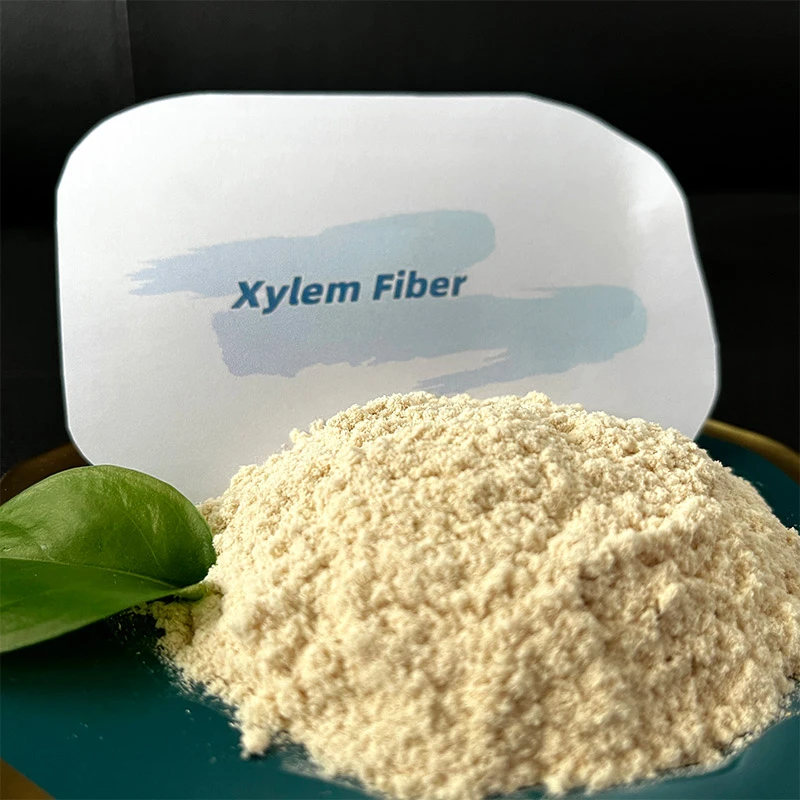
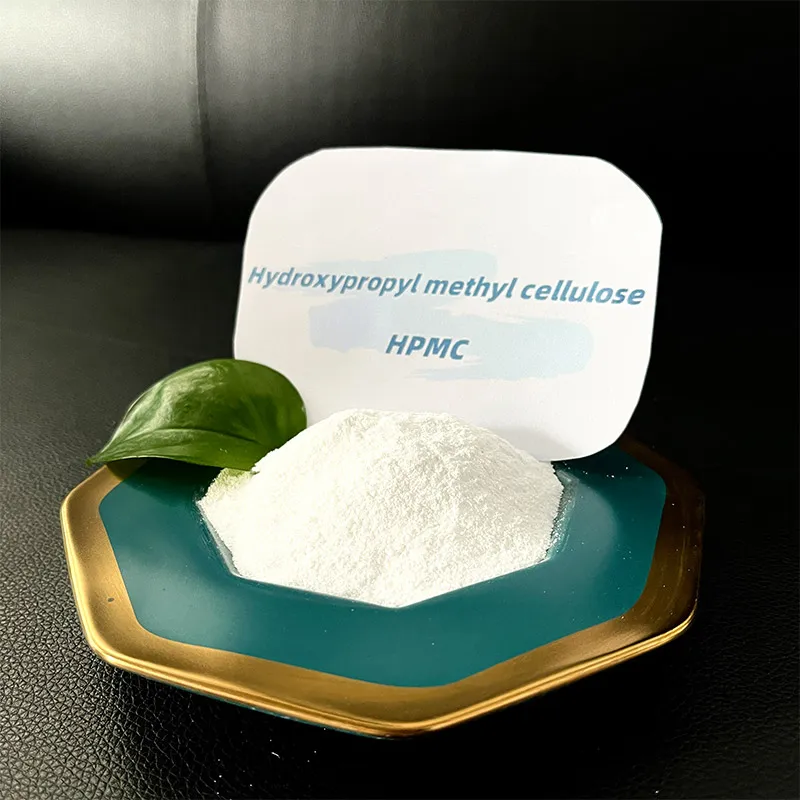
Hydroxypropyl Methyl Cellulose Manufacturers An Overview Hydroxypropyl methyl cellulose (HPMC) is a versatile and widely used cellulose ether that finds applications across various industries, from pharmaceuticals and food to construction and personal care products. As a semi-synthetic polymer, it is derived from cellulosic sources and is favored for its unique properties, including water solubility, film-forming ability, and thickening capacity. With a growing demand for HPMC, numerous manufacturers around the world are striving to meet the needs of different sectors. The Role and Importance of HPMC HPMC is known for its exceptional rheological properties and is utilized primarily as a thickening agent, emulsifier, binder, and film-former. In the pharmaceutical sector, HPMC is used in tablet formulations as a binder and controlled-release agent. In the food industry, it serves as a stabilizer and thickener, enhancing texture and shelf-life. Furthermore, the construction industry employs HPMC in mortars and plasters for improved workability and adhesion, while the personal care sector leverages its film-forming properties in cosmetics and lotions. Key Manufacturers of HPMC Several prominent companies specialize in the production of HPMC, employing advanced technologies to deliver high-quality products. Among these manufacturers are 1. Dow Chemical Company A global leader in specialty chemicals, Dow Chemical produces a variety of cellulose derivatives, including HPMC . The company focuses on innovation and sustainability, offering products tailored to specific industry needs. 2. Shin-Etsu Chemical Co., Ltd. Based in Japan, Shin-Etsu is renowned for its high-grade HPMC products. The company emphasizes quality control and customer service, ensuring its products meet international standards. 3. Ashland Global Holdings Inc. With an extensive portfolio of specialty chemicals, Ashland manufactures HPMC for an array of applications. The company's commitment to research and development allows it to produce customized solutions that enhance product performance. hydroxypropyl methyl cellulose manufacturers 4. BASF SE A major player in the chemical industry, BASF offers a broad range of HPMC products. Leveraging its global presence, BASF serves customers across various sectors, providing innovative solutions that meet specific requirements. 5. Metrohm AG Known for its analytical instruments, Metrohm is also involved in the production of HPMC. The company integrates its technology with HPMC applications to enhance customer experience and product efficacy. Manufacturing Process The production of HPMC involves several critical steps, including the alkalization of cellulose, etherification, and purification. Initially, cellulose obtained from wood pulp is treated with sodium hydroxide to create an alkali cellulose. This is followed by etherification, where the alkali cellulose reacts with propylene oxide and methyl chloride to generate HPMC. The final product undergoes purification and drying to ensure the removal of any residual chemicals, yielding high-quality HPMC. Trends and Innovations As industries evolve and environmental concerns rise, HPMC manufacturers are increasingly focusing on sustainable production practices. Many companies are adopting green chemistry principles, utilizing renewable resources, and striving to minimize waste. Innovation in product formulations is also a priority, with manufacturers developing new grades of HPMC that offer enhanced properties such as improved solubility, thermal stability, and biodegradability. In addition, the demand for HPMC in emerging markets is witnessing significant growth. With the rise of urbanization and infrastructure development, particularly in Asia-Pacific regions, the construction and building materials sector's appetite for HPMC is increasing. Conclusion The landscape of HPMC manufacturers is dynamic, characterized by robust competition and continuous innovation. As industries seek reliable performance and sustainability in their materials, HPMC remains a critical component in meeting these demands. Manufacturers are not only focusing on quality and efficiency but also on sustainable practices that align with global environmental goals. Looking ahead, the future of HPMC production appears promising, driven by technological advancements and a commitment to excellence across various applications. Businesses and consumers alike can benefit from the ongoing developments in the HPMC manufacturing sector, ensuring a brighter and more sustainable future.
advantages
-

200000 Viscosities
Excellent product
We can produce pure products up to 200,000 viscosities
-

40000 tons
High yield
We don’t stop production all year round, and the annual output can reach 40,000 tons
-

24 hours
Quality service
We provide 24-hours online reception service, welcome to consult at any time
———— Inquiry Form
Schedule A services


-
 fibre_polypropylene
Oct . 25, 2025
Rubber mask powder has swiftly become a superstar in the skincare world, providing a unique and inno -
 cellulose_of_wood
Oct . 25, 2025
Understanding Methyl Cellulose and Its Pricing Dynamics Methyl cellulose, a water-soluble polymer de -
 hpmc_dispersion
Oct . 25, 2025
When exploring the landscape of construction materials, HPMC Limited emerges as a pivotal player, re


